
Chitrakoot River: Stunning Myths You Must Explore
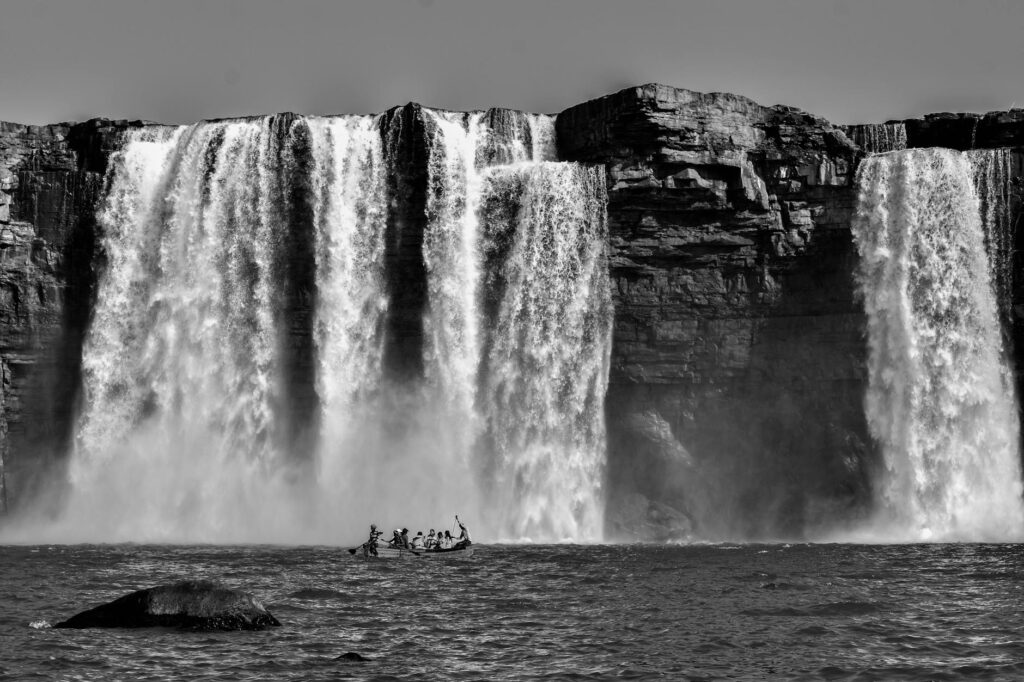
The Chitrakoot River, flowing serenely through the lush landscapes of Madhya Pradesh, is not just a body of water; it’s a sacred stream steeped in mythology and spirituality. As you stand on its banks, the gentle murmurs of the water blend with the sounds of chanting and the rustle of leaves, creating an atmosphere rich in devotion and history. This river, often referred to as the “river of joy,” is central to numerous legends that highlight the cultural significance of the region. In this blog, we will delve into the enchanting myths surrounding the Chitrakoot River and explore how it plays a vital role in the spiritual landscape of North India.
Origin & Significance
The Chitrakoot River is intrinsically linked to the epic Ramayana, a narrative that has shaped the cultural and spiritual identity of India for centuries. According to legend, this sacred river witnessed the exile of Lord Rama, Sita, and Lakshmana, who took refuge in the tranquil forests of Chitrakoot. It is said that the river flows from the tears of Sita, symbolizing both sorrow and resilience.
Chitrakoot itself is often referred to as a “tirtha,” or pilgrimage site, where devotees come to seek blessings and solace. The river is not merely a geographical feature; it embodies the spiritual essence of the region, drawing pilgrims and tourists alike to its banks for centuries. The vibrant festivals celebrated here, such as the Chitrakoot Mela, attract thousands, showcasing a rich tapestry of rituals, music, and dance that honor the river’s sacredness.
How the Festival is Celebrated
The Chitrakoot Mela
The Chitrakoot Mela is a vibrant festival held annually, drawing visitors from across the country. During this time, the banks of the Chitrakoot River come alive with stalls selling local handicrafts, food, and religious artifacts. The air is filled with the aroma of traditional dishes like “kheer” and “puri,” prepared specially for the occasion.
Devotees gather to participate in various rituals, including the sacred dip in the river, believed to cleanse the soul. The evening Aarti, a devotional song accompanied by the lighting of lamps, transforms the landscape into a sea of flickering lights, creating a mesmerizing spectacle against the backdrop of the flowing river.
Rituals and Processions
Rituals during the festival are steeped in tradition. Devotees dress in traditional attire, often adorned with flowers, as they participate in processions along the riverbank. The sounds of drums and flutes fill the air, enhancing the festive spirit. Local artists perform folk dances, showcasing the rich cultural heritage of the region.
One of the most poignant moments of the festival is the “Ramleela,” a theatrical interpretation of the Ramayana, performed by local actors. This performance not only entertains but also serves as a reminder of the timeless lessons embedded in the epic.
Regional Variations
While Chitrakoot is renowned for its own unique celebrations, variations exist across North India. In Ayodhya, the birthplace of Lord Rama, Diwali is celebrated with grand fireworks and illuminations, while in Varanasi, the Ganga Mahotsav showcases the river’s significance through music and dance. Each region adds its flavor to the shared cultural narrative, creating a diverse yet interconnected tapestry of celebrations.
Local Insights & Travel Tips
For those looking to experience the Chitrakoot River and its associated festivals, timing is crucial. The best time to visit is during the winter months, from October to March, when the weather is pleasant and conducive for outdoor festivities.
When visiting, it’s essential to respect local customs. Dress modestly, especially when participating in rituals, and seek permission before photographing ceremonies. Engage with locals; they often have fascinating stories and insights to share about the river and its significance.
For an authentic experience, consider staying in a homestay or a local guesthouse, which will provide a deeper connection to the culture and community.
TripCosmos.co Connection
At TripCosmos.co, we understand the allure of the Chitrakoot River and the vibrant culture surrounding it. Our festival tours offer travelers the chance to immerse themselves in the spiritual and cultural richness of the region. From guided visits to sacred sites to participation in local celebrations, we ensure that your journey is both enlightening and unforgettable.
Explore the enchanting landscapes, connect with the local community, and witness the timeless traditions that define Chitrakoot.
FAQs
Q1: When is the Chitrakoot Mela celebrated?
The Chitrakoot Mela typically takes place in the month of November, coinciding with the Hindu festival of Kartik Purnima.
Q2: What are the main rituals performed during the festival?
Devotees participate in holy dips in the river, evening Aarti, and traditional folk performances, including the Ramleela.
Q3: Are there any specific local dishes to try during the festival?
Yes, traditional dishes like kheer (rice pudding) and puri (fried bread) are popular during the celebrations.
Q4: How can I reach Chitrakoot?
Chitrakoot is well-connected by road and rail, with the nearest railway station being Karvi. Local transportation options are available for reaching the river.
Q5: Is it safe to travel to Chitrakoot during the festival?
Yes, Chitrakoot is generally safe for tourists, especially during festival times. However, always stay vigilant in crowded areas and follow local guidelines.
Conclusion
The Chitrakoot River is more than just a waterway; it is a lifeline of culture, spirituality, and community. As you explore its banks, you will find a world where myths come alive, and traditions thrive. The vibrant celebrations, rich history, and warm hospitality of the locals make Chitrakoot a must-visit destination for anyone seeking to experience the heart and soul of India.
Experience the colors and spirit of Chitrakoot with TripCosmos.co — Call +91-9336116210 or visit www.tripcosmos.co.





Comments are closed.